Loading...
Serving Antioch, CA and surrounding areas. (925) 503-1067
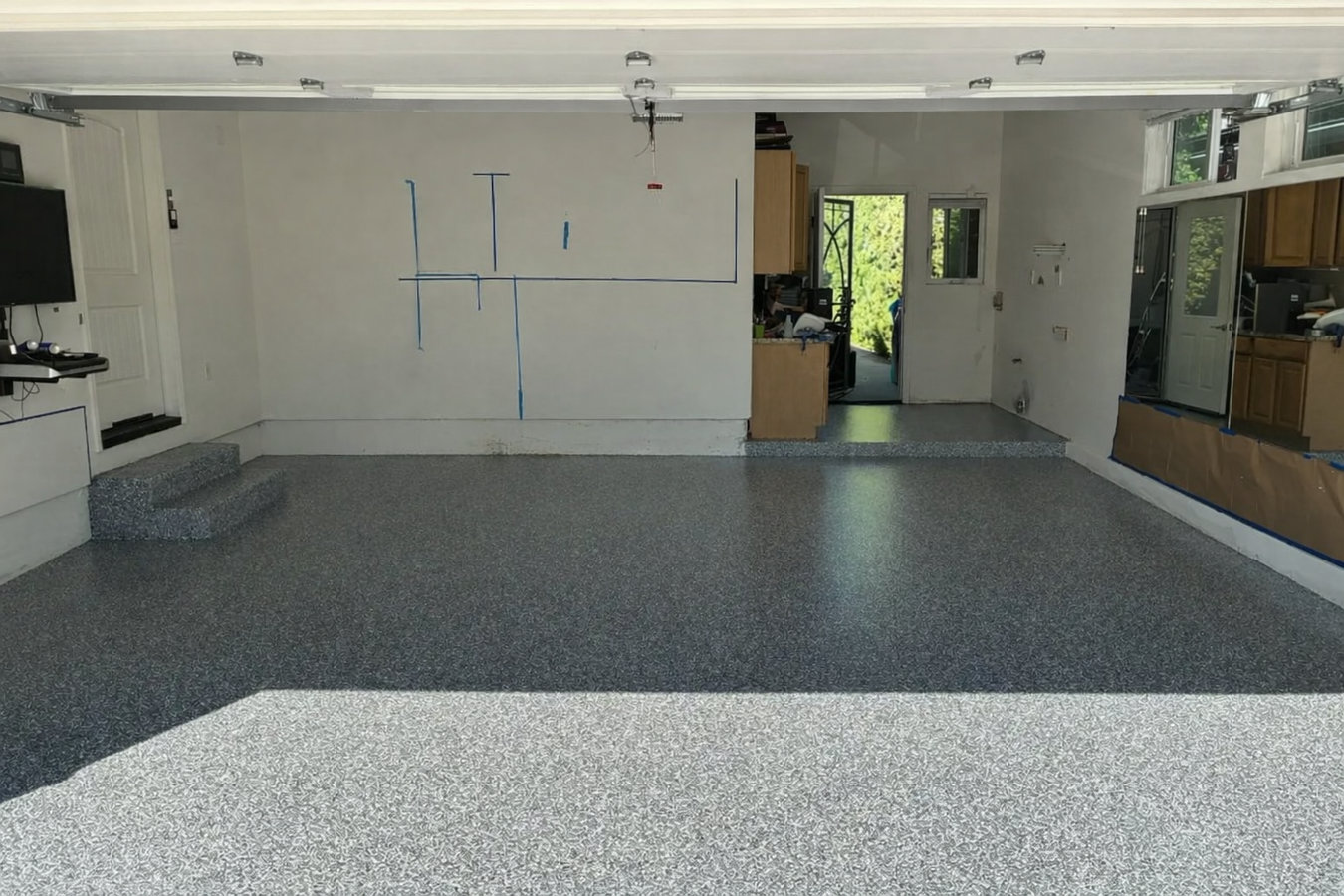
Cracking and uneven garage floors in Antioch are usually a base problem. We prep the ground correctly before the pour so your floor holds up through Antioch's wet winters and dry summers.
Concrete floor installation in Antioch, CA starts with removing the existing material, grading and compacting the soil, setting a gravel base and reinforcement, then pouring and finishing the slab - most residential jobs take one to three days of active work, with vehicles back on a garage floor after seven days.
Many homeowners come to us after patching a garage or utility floor that keeps cracking in the same spots. In Antioch, that cycle is almost always caused by clay soil moving beneath the slab rather than a problem with the concrete itself. A new floor only holds if the ground underneath it is properly prepared to handle the area's seasonal swelling and shrinking.
If your project involves a larger outdoor surface, our concrete pool decks service uses the same base preparation standards and can be coordinated alongside floor work to consolidate permit applications and crew scheduling.
Small hairline cracks are normal in any concrete floor. Cracks wide enough to catch a quarter - or cracks where one side has shifted higher than the other - mean the slab is moving. In Antioch, this usually traces back to clay soil swelling and shrinking beneath the slab through years of wet winters and dry summers.
If water sits in puddles instead of draining toward the door or a floor drain, the floor has settled unevenly. This is common in Antioch homes built in the 1980s and 1990s on soil that was not properly compacted. Standing water in a garage also accelerates surface deterioration and damages stored items.
When the top layer chips away or feels gritty underfoot, the concrete surface has started to break down. This happens when the original pour was finished too wet, or when years of heat, moisture, and vehicle fluids have worn through the surface layer. Once pitting spreads, resurfacing or full replacement is usually the right call.
Some older Antioch properties still have unpaved garage or workshop floors. If you are planning to use the space for parking, storage, or a home gym, a concrete floor is the practical first step. It controls dust, keeps pests out, and makes the space usable year-round regardless of weather.
The most common request is a standard garage slab: four inches thick with wire mesh reinforcement, a broom finish for grip, and control joints cut to guide any future cracking into straight, planned lines. For workshops, utility rooms, or spaces that will take heavy loads, we pour at five or six inches with rebar instead of mesh. Both options start with the same ground prep process because the base is what determines whether the floor lasts.
Homeowners who want more than plain gray have decorative options: broom-textured finishes for traction, exposed aggregate for texture and curb appeal, or a smooth trowel finish suited for indoor spaces. These are applied during the original pour, which is always more cost-effective than adding them as a resurfacing layer later. Our garage floor concrete service covers coating and epoxy options if you want a sealed surface on top of a new or existing slab.
For projects near the Delta where moisture migration is a concern, we include a vapor barrier under the slab as part of the standard pour. If moisture has been coming up through your existing floor, mention it when you call - it changes what goes into the base. Our concrete pool decks service uses the same drainage-first approach for outdoor poured surfaces.
4-inch reinforced pour with broom finish and control joints - the right choice for most residential garages.
5- to 6-inch slab with rebar for workshops, utility rooms, or spaces that need to handle heavier loads.
Exposed aggregate, smooth trowel, or textured finishes applied during the pour for better-looking indoor and outdoor spaces.
Antioch's clay-heavy soil is the single biggest factor affecting how long a concrete floor lasts here. Clay swells during the rainy season and contracts through the dry summer, putting stress on any slab from below. A contractor who grades, compacts, and bases the subgrade correctly can build a floor that handles that cycle for decades. One who rushes the prep will produce a floor that cracks within a few years, especially in neighborhoods built on poorly compacted soil. The Portland Cement Association identifies subgrade preparation as the most important factor in residential slab performance - local conditions make that especially true in this area.
Antioch's summer heat adds another variable. Temperatures above 95 degrees cause fresh concrete to dry too fast on the surface before it has cured underneath, which leads to surface cracking. We schedule pours for early morning during summer months and take steps to keep the surface moist while it cures. Homeowners in Pittsburg and Concord face the same summer curing challenges - we work across both cities and use the same heat-management process on every summer pour.
A large share of Antioch homes were built in the 1970s through the 1990s, and many original garage slabs from that era are now cracking or shifting. Replacing an old slab means breaking it up, hauling away the debris, and reassessing the soil before any new concrete goes in. That demolition and haul-away work adds to the project cost, so ask your contractor to include it explicitly in the written estimate rather than discovering it as a separate charge after the fact.
We visit your property, measure the space, check the existing floor condition, and give you a written quote that includes demolition, base prep, the pour, and cleanup separately. We reply within 1 business day.
We submit the permit application to the City of Antioch and handle all back-and-forth with the building department. Permit review typically takes one to three weeks. You get a firm start date once approval comes through.
If there is an existing slab, the crew breaks it up and hauls it away first. Then they grade the soil, compact a gravel base, and set reinforcement mesh before any concrete arrives. This prep phase is the most critical part of the job.
Concrete arrives by truck, is poured and finished by the crew, and control joints are cut within the first day. After the curing period, we schedule the city inspection and walk the finished floor with you before we consider the job done.
We come to your property, measure the space, and give you a written quote that covers everything - demo, base prep, the pour, and cleanup. No surprises at the end.
(925) 503-1067Our California C-8 Concrete Contractor license is active and publicly searchable on the CSLB website. You can confirm it yourself in two minutes before you sign anything.
Antioch's clay soil means the prep work under the slab matters as much as the concrete itself. We grade, compact, and base every floor to handle local seasonal movement - not just what the spec minimum requires.
We handle the City of Antioch permit application from start to final inspection. Your floor is documented, inspected, and protected - no surprises if you ever sell or refinance.
We work across Contra Costa County and know which soil conditions, permit offices, and HOA requirements apply in each city. That local experience shortens your project timeline.
Before hiring any concrete contractor in Antioch, verify their license on the California Contractors State License Board website. A licensed contractor is required to carry insurance and can be held accountable if something goes wrong. This check takes two minutes and is the single most important step you can take before signing any contract for concrete work.
Extend your outdoor concrete surfaces to the pool area with a slip-resistant deck built for Antioch's heat and seasonal moisture.
Learn moreFocused garage slab work including coatings, resurfacing, and new pours for vehicles and workspace use.
Learn moreSpring and fall are the best windows for a new pour - contact us now to lock in your project date before the season gets away from you.