Loading...
Serving Antioch, CA and surrounding areas. (925) 503-1067
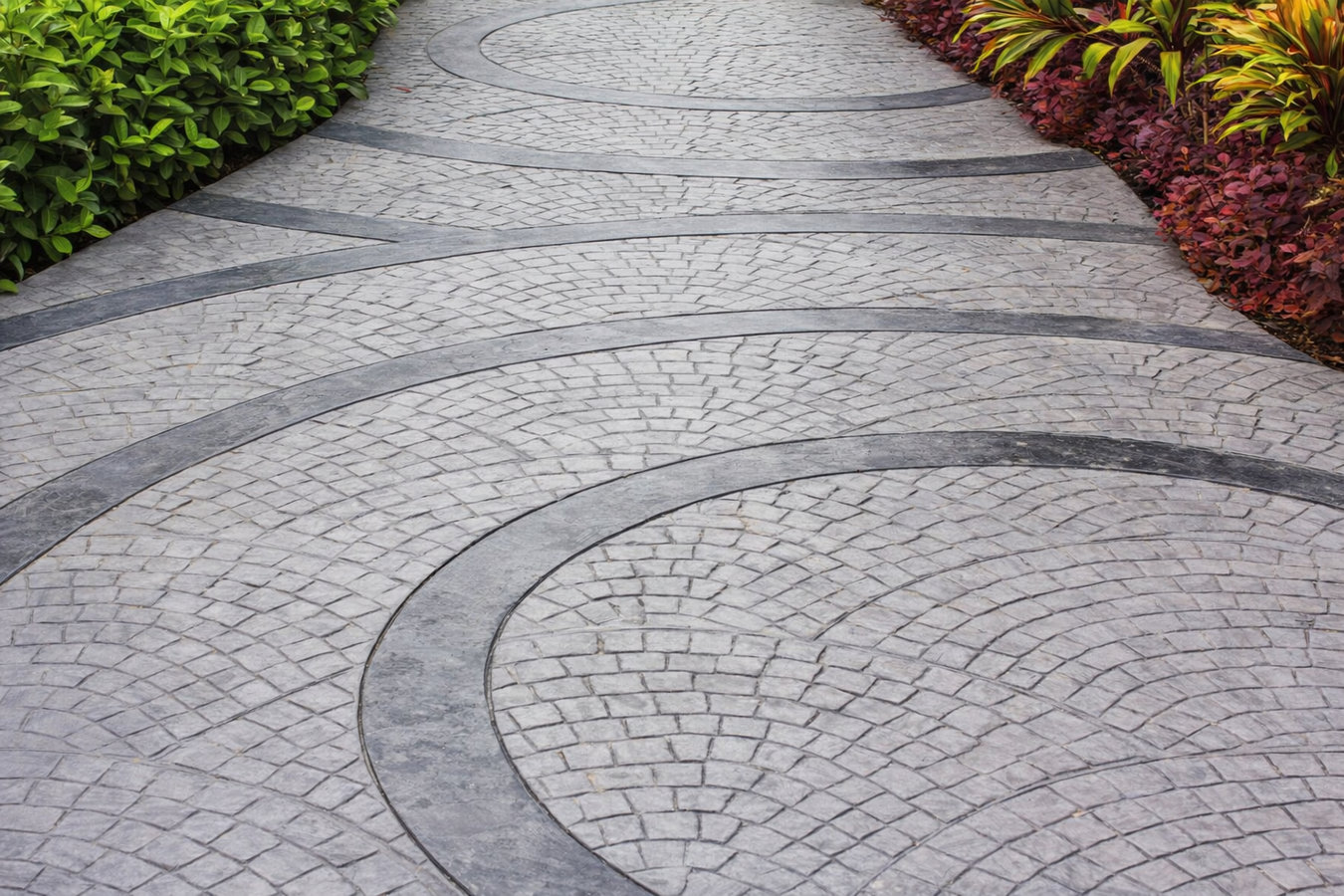
Worn, faded, or plain gray concrete does not have to stay that way. We install stamped, stained, and colored surfaces that hold up through Antioch's heat, clay soils, and heavy use.
Decorative concrete in Antioch, CA means standard concrete that has been colored, stamped, stained, or polished to look like stone, brick, tile, or wood - most patio and driveway projects take one to three days of installation, with the surface ready for regular foot traffic within 48 hours.
Most Antioch homeowners contact us because their driveway or patio looks tired after years of summer sun, clay-soil movement, and everyday wear. The surface might be structurally fine but covered in stains, cracks, or a general dullness that makes the whole front or backyard look neglected. Decorative concrete gives you the durability of a concrete slab with the appearance of a more expensive material, at a fraction of the cost of real stone or pavers.
If you are planning a full outdoor renovation, our stamped concrete services page goes deeper on pattern options and material pairings for patios, pool decks, and driveways specifically.
If you look at your driveway or patio and see a spreading pattern of small cracks running in multiple directions, the surface has been stressed by years of heat cycling and soil movement. In Antioch, where summer heat and clay soils both put pressure on concrete from above and below, this kind of cracking is common in slabs that are 15 or more years old. Decorative resurfacing can cover and stabilize minor cracking while refreshing the look.
Concrete exposed to Antioch's intense summer sun often loses its original color and develops oil stains, rust spots, or a gray dullness that no amount of pressure washing will fix. If the surface is structurally sound but looks worn out, a decorative overlay or stain treatment can transform it without the cost and disruption of a full replacement.
If sections of your driveway have lifted, dropped, or tilted relative to each other, that is often caused by the clay soil underneath expanding and contracting with seasonal moisture changes. While a decorative finish alone will not fix a serious structural problem, a contractor can assess whether the base needs to be regraded and repoured, with a decorative finish as part of that solution.
If you are building a new patio, extending an existing one, or creating a pool deck area, plain gray concrete is a missed opportunity. Decorative concrete lets you match the style of your home and landscaping from day one, and it adds visual value that plain concrete simply does not deliver. Many Antioch homeowners in newer subdivisions choose stamped or stained concrete specifically because it elevates the look of the whole backyard.
The most popular option for Antioch patios and driveways is stamped concrete: rubber molds pressed into wet concrete to create patterns that mimic stone, slate, cobblestone, or wood planks. The result holds up through summer heat and clay-soil movement when it is properly prepared and sealed. We also offer integral color, where pigment is mixed directly into the concrete before the pour, and acid or water-based staining for existing slabs that are structurally sound.
For homeowners who want to upgrade an existing surface rather than replace it, decorative overlays apply a thin decorative layer over sound concrete. This is a cost-effective option when the existing slab is solid but the surface looks worn or stained. If the slab has structural issues, we will tell you honestly before recommending an overlay. For more coverage on pattern options for retaining walls and outdoor structural elements, our concrete retaining walls page covers how decorative finishes can be applied to vertical surfaces as well.
Every decorative surface we install is sealed at the end of the project. In Antioch's climate, a quality sealer protects against UV fading, oil staining, and moisture - and it is the single most important step for keeping a decorative surface looking good over time.
For patios, driveways, and pool decks where you want the look of stone or pavers with the durability of concrete.
For homeowners who want a distinctive color palette on a new pour or on an existing structurally sound slab.
For existing slabs that are in good structural shape but look worn, stained, or faded - a cost-effective surface restoration.
Antioch's inland East Bay location means summer temperatures regularly top 95 degrees, with spikes above 100 not unusual in July and August. Decorative concrete poured or overlaid in those conditions dries too fast on the surface, which causes the color to come out uneven and the finish to crack before it has fully cured. Experienced local contractors schedule decorative work for early morning during hot months and apply curing compounds that slow moisture loss. The spring and fall windows, roughly March through May and September through October, consistently produce the best results in this climate.
Antioch's clay-heavy soils are the other factor that separates a good decorative concrete job from one that looks fine in spring and starts cracking by fall. Clay expands with winter rain and shrinks in summer dry spells, putting constant pressure on slabs from below. Well-placed control joints and a properly compacted base are not optional extras here; they are what makes a decorative surface last in this specific soil environment. We have applied decorative finishes on properties across Pittsburg and Concord where the same Contra Costa County soil conditions apply.
A significant share of Antioch's housing stock was built during the growth boom of the 1980s through early 2000s. Many of those original driveways and patios are now 20 to 40 years old and ready for a refresh. The Concrete Network has useful guidance on overlay systems for aging slabs if you want to research further before calling.
We ask what surface you want done, roughly how large it is, and what look you are going for. We respond within 1 business day and schedule a free site visit to assess the existing surface before quoting.
We measure the area, assess the existing concrete, and walk you through finish options including colors, patterns, and textures. A written estimate follows within one to two business days, covering every part of the job.
The crew clears and protects the area, handles any demolition needed, prepares the base, and pours or overlays the surface. Stamping and coloring happen while the concrete is still workable, so the crew moves quickly and in coordination.
After 24 to 48 hours for foot traffic and five to seven days for vehicles, we apply a protective sealer, walk you through the finished work, and give you a clear maintenance schedule. You will know the full timeline before we ever start.
No obligation. We respond within 1 business day. Written quote before any work starts.
(925) 503-1067Our current California C-8 Concrete Contractor license is publicly verifiable on the CSLB website. Every job we run carries the insurance that protects your property if anything unexpected happens on site.
We work in Contra Costa County every week. We know Antioch's clay soils, its afternoon Delta winds, and which neighborhoods have HOA review requirements before permits can be filed - all of it affects how decorative concrete is designed and installed here.
When your project requires a City of Antioch permit, we handle the application and inspection scheduling. Your project is documented and above board, with no shortcuts that surface as problems at resale.
Every estimate we provide itemizes demolition, base prep, the decorative application, sealing, and cleanup. There are no vague line items and no change orders. The price you agree to is the price you pay.
Decorative concrete that fades, cracks, or peels within a few years is almost always a result of skipped steps: inadequate base prep, poorly placed joints, or no sealer. We do not skip those steps. Before hiring any concrete contractor in California, you can verify their license status on the California Contractors State License Board website - it is free and takes about 30 seconds.
Add structural retaining walls that complement your decorative surfaces and manage Antioch's sloped yards.
Learn moreSpecialized stamped patterns for patios, driveways, and pool decks that mimic stone, brick, or wood at a fraction of the cost.
Learn moreSpring and fall booking slots fill quickly - contact us now to lock in your project date before the best installation windows are gone.