Loading...
Serving Antioch, CA and surrounding areas. (925) 503-1067
Your driveway has cracked from Antioch clay soil movement, or your remodel needs a trench cut before the plumber arrives. We make the cut clean and safe, with utility lines located first.
Concrete cutting in Antioch, CA uses diamond-tipped saw blades and wet-cutting equipment to slice through hardened concrete cleanly and precisely - most residential jobs take two to six hours, with underground utilities located and marked before any blade touches the surface.
Most homeowners contact us for one of two reasons: a driveway or patio that has cracked and shifted to the point where patching no longer holds, or a remodel that requires a trench or opening cut through an existing slab before the next trade can start. In Antioch, the clay soil shifts slabs gradually over time, which means cracked concrete is a routine maintenance issue in older neighborhoods. Getting the cut done right protects the surrounding slab from the kind of incidental cracking that turns a simple repair into a bigger one.
If the removed section needs to be replaced with new concrete, our concrete driveway building service handles the full replacement pour from base preparation through finished surface, so you work with one crew start to finish.
Small hairline cracks are normal in any concrete surface, but when a crack is wide enough to fit a pencil tip or when one edge sits visibly higher than the other, the slab has shifted or deteriorated beyond surface-level repair. In Antioch, this kind of cracking is especially common because the clay-heavy soil underneath expands and contracts with each wet and dry season, gradually pushing slabs out of alignment.
If you can feel a bump or a dip when walking across your driveway, or if water pools in a low spot after rain, the slab has moved. This is both a tripping hazard and a drainage problem. Cutting out the affected section and replacing it is typically more cost-effective than trying to grind down a raised edge or fill a sunken area with patch material that will not hold.
Any time a plumber, electrician, or HVAC contractor needs to run a line through or under a concrete slab, the concrete must be cut first. The same applies if you are converting a garage, adding a bathroom, or widening a doorway. Concrete cutting is the necessary first step, and doing it cleanly protects the surrounding slab from damage that creates additional repair work.
Spalling is when the top layer of concrete starts to flake off, leaving a rough, pitted surface. In Antioch's hot summers, concrete that was not sealed or was mixed with too much water tends to spall as it ages. Once spalling reaches a certain depth, patching does not hold well. Cutting out the damaged section and pouring fresh concrete is the more durable and lasting solution.
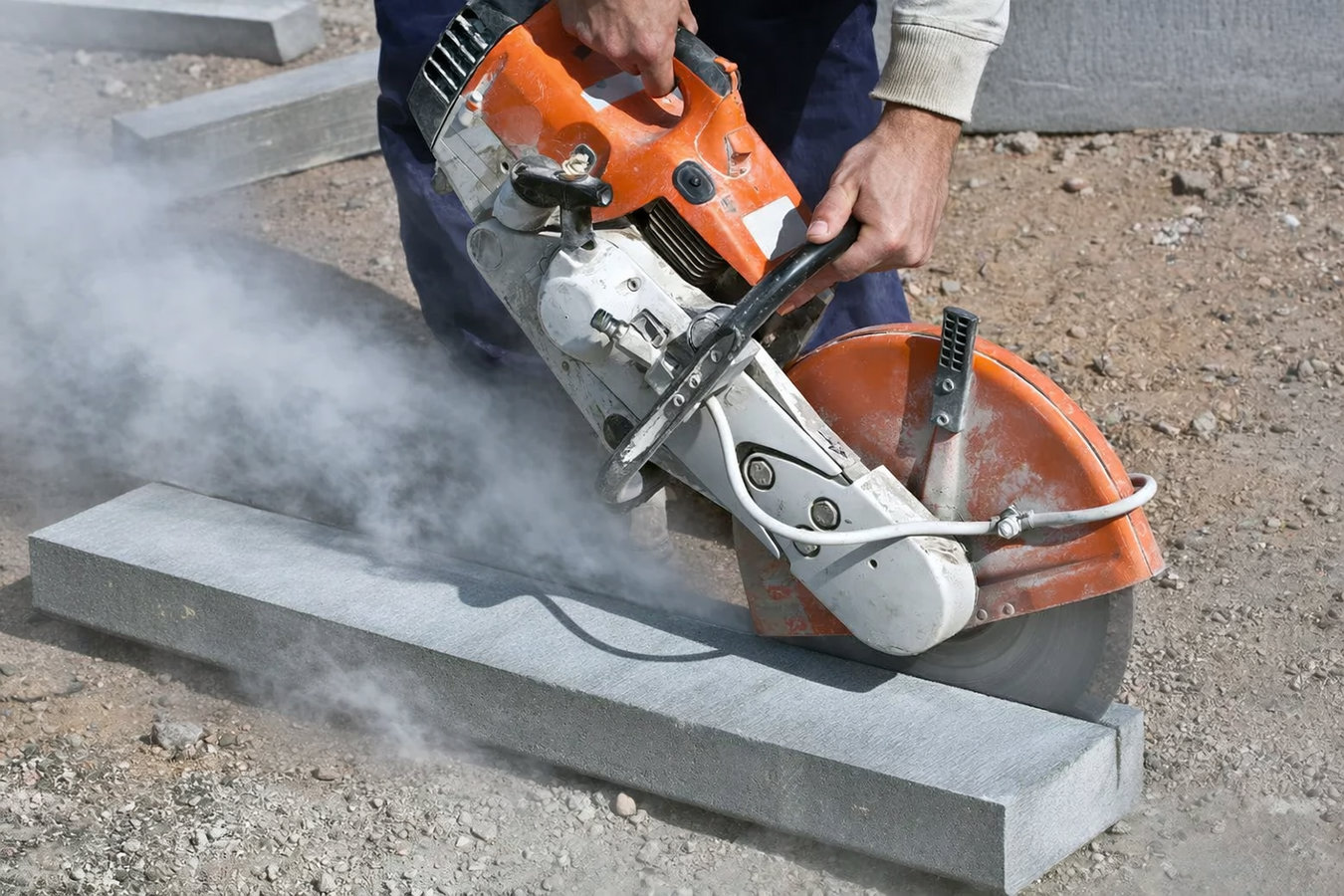
We handle flat slab cutting for driveway and patio sections using a slab saw, wall cutting for doorway or window openings in concrete walls, and core drilling for utility penetrations. Each method uses diamond-tipped blades with water cooling to minimize dust and vibration. Wet cutting keeps silica dust from spreading and produces cleaner edges that make the subsequent repair or construction work easier.
When the cut is part of a larger driveway or parking area repair, we coordinate directly with our concrete driveway building team so the cut, base preparation, and new pour happen in sequence without delays or handoff gaps.
For commercial properties and larger paved areas, our concrete parking lot building service handles the full scope of cutting and replacement for sections that have cracked or shifted beyond surface repair.
Best for removing damaged driveway, patio, or sidewalk sections that need to be replaced rather than patched.
Suits remodels and additions that require a clean opening cut through an existing concrete wall or slab edge.
For plumbing, electrical, and HVAC projects that require a clean channel cut through an interior or exterior slab.
Antioch's clay soil expands and contracts with each wet and dry season, and that movement is the primary reason concrete surfaces crack and shift in this area. Much of the city's residential development happened during two periods: the 1980s and the early 2000s housing boom. Slabs poured during those years are now old enough to show the cumulative damage of years of clay movement, and many in neighborhoods like Lone Tree, Deer Valley, and Prewett Ranch are past the point where patching is a durable fix. The Concrete Sawing and Drilling Association recognizes proper base preparation as essential to extending the life of replacement pours, and that foundation work matters especially in expansive-soil areas like Antioch.
Antioch also sees significant remodel activity as homeowners who moved here during those growth periods now invest in updates and additions. Garage conversions, ADU additions, and bathroom upgrades frequently require cutting through an existing slab before construction can begin. Getting that step handled by a licensed concrete contractor who locates utilities first prevents the kind of costly mid-project surprises that delay entire remodels.
We serve homeowners across the area including Pittsburg, Concord, and Brentwood. The same clay soil and aging slab conditions that affect Antioch are present throughout eastern Contra Costa County, and our crews work in all three areas regularly.
We ask what you need cut and where the concrete is located. For most jobs we visit the site in person to check thickness and access before giving a firm price. The visit is free and typically takes 20 to 30 minutes. We reply within 1 business day of your first call.
Before any cutting begins, we contact California 811 to have underground utility lines marked on your property. This is required by state law and takes about two to three business days. We place that call automatically as part of our standard site preparation process.
The crew marks the cut lines, sets up water cooling to control dust, and cuts with diamond-tipped blades. Most residential cuts take two to six hours. The work is loud, so expect noise during the job. The crew cleans up slurry and debris before leaving the site.
Cut concrete sections are broken up and hauled away. If new concrete is poured, we tell you exactly when you can walk and then drive on it, and what to do in Antioch's summer heat to help the new surface cure evenly rather than dry too fast.
We come out, look at your slab, and give you a clear price in writing before any work begins. You will know what the cut involves, whether a permit is needed, and exactly what it costs.
(925) 503-1067Our California C-8 Concrete Contractor license is verifiable on the CSLB website before you sign anything. We carry insurance that covers your property for the full duration of the project with no lapses.
We work across 12 cities in Contra Costa County and cut concrete in Antioch's clay-shifted slabs regularly. That hands-on familiarity with local soil conditions means we know what to expect when we arrive and how to plan the cut to protect the surrounding slab.
We use diamond-tipped saw blades with water cooling on every job, not abrasive dry blades that generate excessive dust and vibration. Clean cuts reduce the risk of cracking the surrounding slab and keep silica dust from spreading across your property.
We contact California 811 before breaking ground on every concrete cutting job. Underground gas, water, and electrical lines get marked before any blade touches your slab. This is required by state law and we handle it as a standard step, not an afterthought.
Our license is verifiable on the California Contractors State License Board website before you commit to anything. We handle 12 cities across Contra Costa County and work in Antioch regularly enough to know what aging clay-shifted slabs look like and how to cut them without damaging the concrete that stays. That practical familiarity is reflected in how we quote and how we work.
Full driveway replacement after damaged sections are removed and the base is properly prepared for a new pour.
Learn moreCommercial concrete cutting and replacement for parking lot sections that have cracked or shifted beyond repair.
Learn moreSpring and early fall book quickly in Antioch. Call now to lock in your date before the summer heat makes scheduling harder and fresh pours more difficult to cure correctly.