Loading...
Serving Antioch, CA and surrounding areas. (925) 503-1067
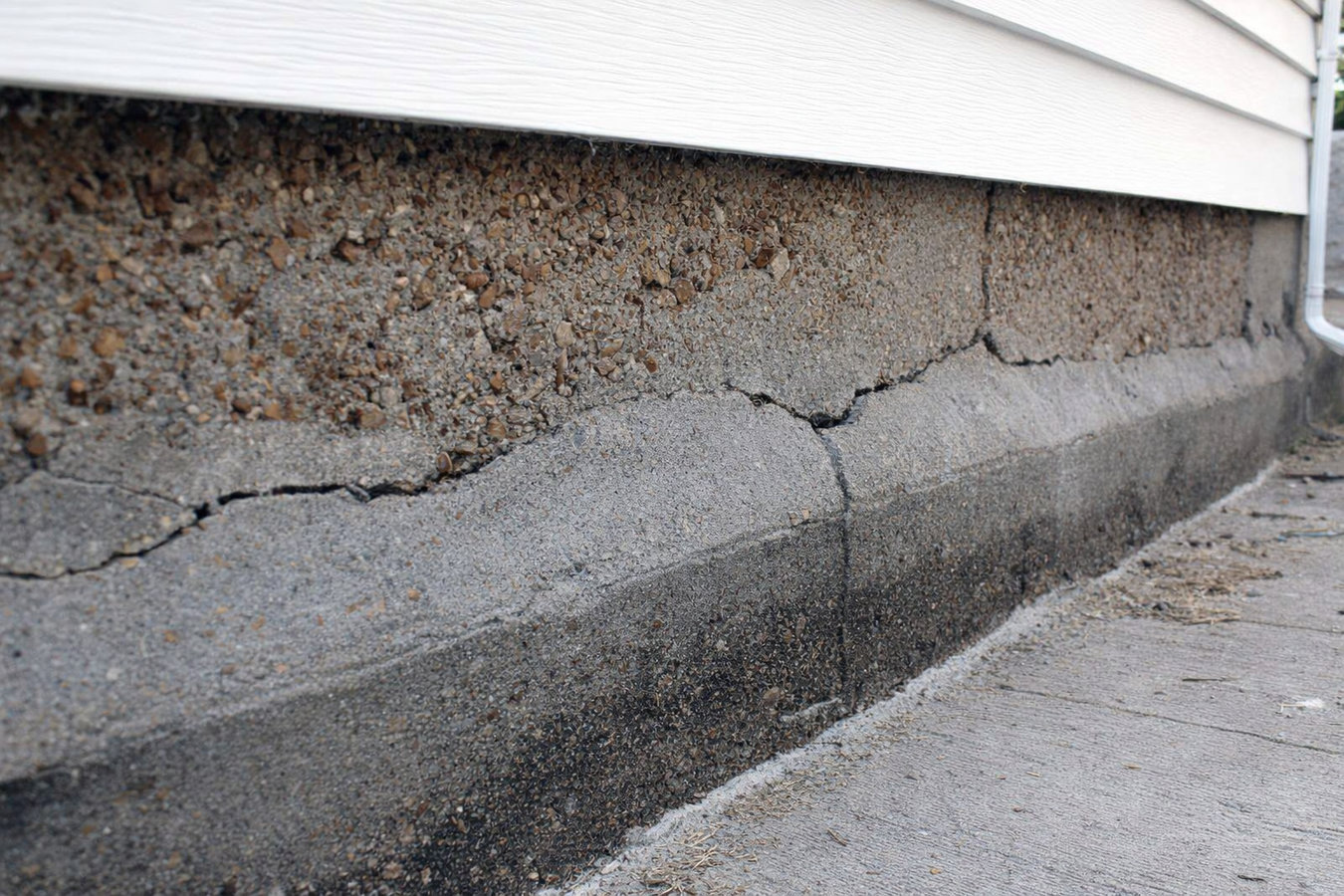
Antioch clay soil dries out every summer and pulls away from your foundation. We lift it back to level so your floors feel solid and your doors close the way they should.
Foundation raising in Antioch, CA lifts sunken or uneven concrete slabs by drilling small holes, injecting material to fill the voids below, and patching the holes flush with the surface - most residential jobs take one to two days from start to finish, with a free assessment and written estimate provided before any work begins.
Most homeowners call us after noticing something off: a door that drags, a floor that feels like it slopes, or a porch that has visibly pulled away from the house. In Antioch, these symptoms typically follow a long dry summer when the clay-heavy soil under the slab dries out and contracts, leaving voids that cause the concrete to settle. Foundation raising fills those voids and lifts the slab back to level without tearing out and replacing the entire structure.
If the concrete itself is severely damaged beyond what lifting can fix, our slab foundation building service covers full replacement when raising is not the right solution for your specific situation.
If a door that used to swing freely now drags on the floor, or a window suddenly feels stiff in its frame, your home's structure may be shifting because the foundation beneath it has moved. This is one of the earliest signals Antioch homeowners notice, especially after a long dry summer when the clay soil contracts and pulls away from the slab below.
Walk along the baseboards in each room and look for gaps where the floor meets the wall. Even a gap the width of a pencil tip can indicate that part of your foundation has dropped. In older Antioch homes these gaps sometimes appear gradually over years and get dismissed as normal wear, but they are worth having assessed before the problem deepens.
Stand in the center of a room and notice whether the surface tilts toward one corner, or whether a small ball would roll on its own. A noticeably sloping floor means the foundation beneath it has shifted. This is especially common in Antioch neighborhoods closer to the waterfront, where seasonal groundwater changes put extra stress on the soil under the slab.
Diagonal cracks running from the corner of a door frame or window toward the ceiling are a classic indicator of foundation movement, not just cosmetic settling. These cracks form because the wall is being pulled in two directions as one section of the foundation drops lower than adjacent sections. Cracks that are growing wider over time are a signal to act sooner rather than later.
We use two primary methods depending on the situation. Mudjacking pumps a cement-and-soil slurry beneath the slab and has been the industry standard for decades. It tends to cost less upfront and works well for larger surface areas. Polyurethane foam injection uses an expanding foam material that is lighter, cures in minutes rather than hours, and is less likely to add weight that could stress the soil in Antioch's softer Delta-region ground. We explain which method fits your specific slab and soil conditions before anything is agreed to.
When the structural issue extends beyond what lifting can address, we coordinate with our concrete cutting service to remove damaged sections cleanly before preparing the site for a new pour, ensuring the repaired area ties in properly with the surrounding slab.
For new structures or replacements that go beyond raising, our slab foundation building service covers full new pours from subgrade preparation through final finish, including all City of Antioch permit and inspection requirements.
Best for larger residential slabs where cost efficiency matters and the soil can support the added slurry weight.
Suits jobs where a fast cure, minimal weight addition, or access constraints make foam the better technical choice.
For localized voids under a specific section of slab without full surface lifting, particularly near structural walls.
Antioch sits at the eastern edge of the Sacramento-San Joaquin Delta, where the underlying soil has a high clay content. Clay expands when it absorbs water and shrinks when it dries, and in Antioch that cycle is extreme. Summer temperatures regularly climb above 95 degrees and the dry season can last five or six months. That repeated shrinking and swelling is the single most common reason foundations settle in this area. The Concrete Foundations Association recognizes expansive clay as one of the leading causes of residential foundation movement nationally, and Antioch's Delta soil is among the more pronounced examples in the Bay Area.
Many of Antioch's established neighborhoods, particularly in the older western and central parts of the city, have homes built from the 1950s through the 1980s. Foundations from that era were not always designed with current knowledge of how local soil behaves over decades. If your home is more than 30 years old and you are seeing the first signs of settling, you are not alone and you are not too late. Foundation raising is designed for exactly this situation.
We serve homeowners across the greater Antioch area including Pittsburg, Brentwood, and Concord. The same clay soil conditions that affect Antioch are found throughout this part of Contra Costa County, and our crews work in all these areas on a regular basis.
We ask where you are noticing the problem and how long it has been happening, then schedule a site visit. The on-site assessment is free and takes about 30 to 60 minutes. We reply within 1 business day of your first contact.
After the assessment you receive a written estimate covering what work will be done, which method will be used, and the total cost. If the job involves a structural slab requiring a City of Antioch permit, we include that in the plan before any work starts.
The crew drills small holes through the concrete, inserts injection ports, and pumps material beneath the slab until it rises to the correct level. We monitor the lift carefully throughout because raising too fast can crack the slab. Most residential jobs are completed in a single day.
Injection holes are patched with a concrete mix that blends with the surrounding surface. The area is cleaned before the crew leaves. We also point out any drainage or grading conditions that contributed to the settling, so the repair holds long-term rather than recurring.
We come out, look at what is happening under your slab, and give you a written estimate with no obligation. You will know exactly what the repair involves and what it costs before you decide anything.
(925) 503-1067We carry a current California C-8 Concrete Contractor license that you can verify on the CSLB website before signing anything. Our insurance covers your property for the full duration of the job, with no gaps in coverage.
We serve 12 cities across Contra Costa County and work with Antioch's Delta-region clay every week. That repeated exposure to local soil behavior is what makes our lifting assessments more accurate than a contractor who encounters this soil occasionally.
When the scope of your foundation raising requires a City of Antioch Building Division permit, we handle the application and coordinate the inspection from start to sign-off. Your repair is on the public record, which protects you at resale.
We do not just inject material and leave. Every job includes an honest look at what caused the settling, whether that is drainage, grading, or soil conditions. Addressing the cause is what makes the repair last rather than requiring the same fix again in a few years.
Our license is verifiable on the California Contractors State License Board website before you commit to anything. We have worked across all 12 service areas in our coverage zone and understand how clay soil behavior varies across this part of Contra Costa County. That local depth means fewer surprises on your job and a repair that holds.
Precise concrete cutting for remodels, utility trenches, and slab removal when sections need to be replaced rather than raised.
Learn moreNew slab foundations poured for structures where the existing foundation is too compromised to raise and stabilize.
Learn moreAntioch's dry season puts your foundation at risk every year. Call us now to schedule a free assessment before the next round of summer heat makes the problem worse.