Loading...
Serving Antioch, CA and surrounding areas. (925) 503-1067
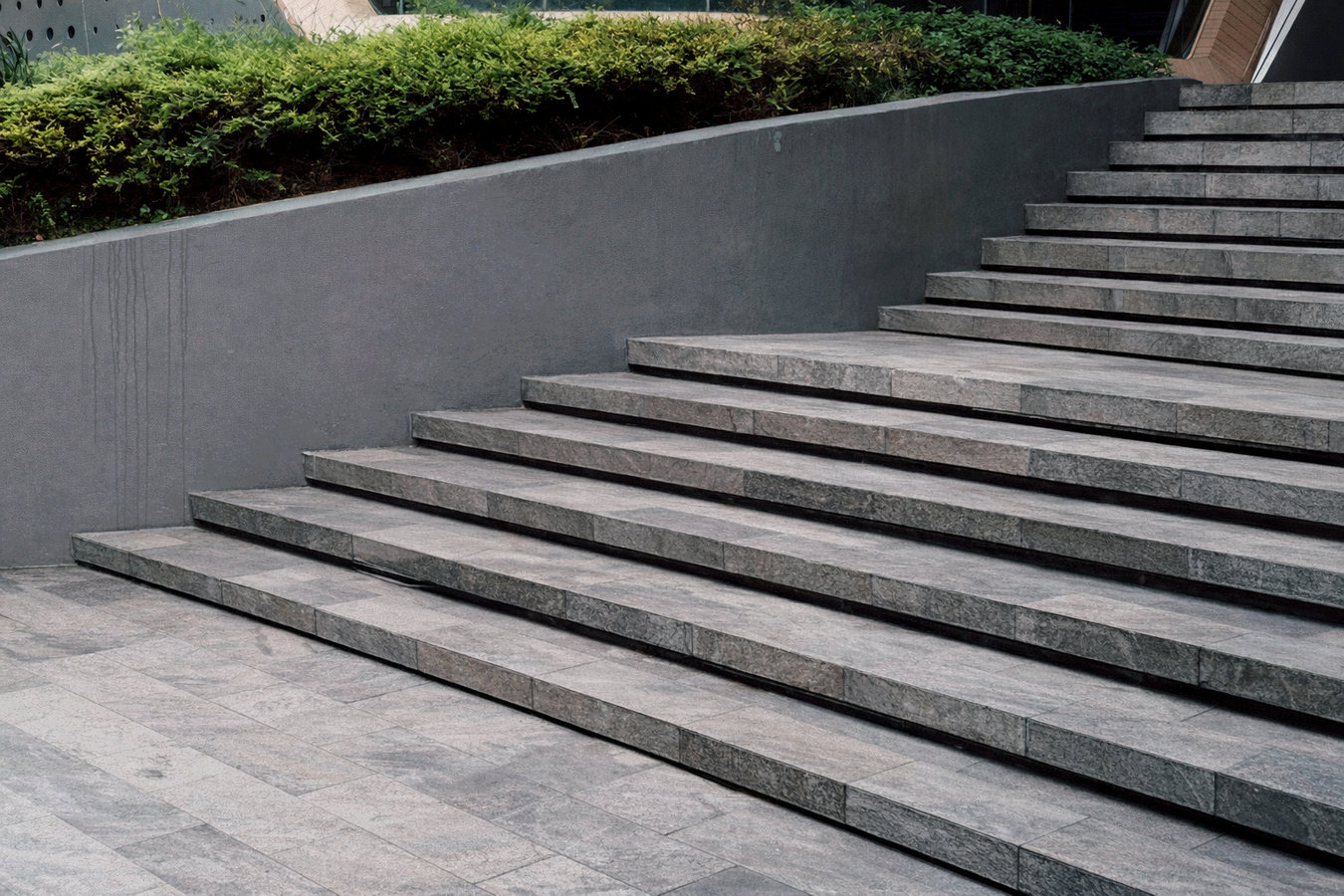
Cracked, sunken, or crumbling entry steps are a safety hazard and a curb appeal problem. We build properly based concrete steps that hold up through Antioch's clay soils and seasonal weather cycles.
Concrete steps construction in Antioch, CA means demolishing old steps, preparing a compacted base, building forms, and pouring a permanent concrete staircase - most residential projects take one to three days of active work, with the steps usable within 24 to 48 hours after the pour.
Most homeowners contact us because their existing steps are cracked, have shifted, or are pulling away from the house. In Antioch, clay soil movement is the most common root cause - and it only gets addressed by preparing the base correctly before any new concrete is poured. A patch or surface coating over compromised steps will not hold for more than a season.
If your property also has grade changes near the entry that need to be stabilized, our concrete retaining walls service can be coordinated with the steps project to manage both issues in a single permit application.
Cracks wider than a hairline - especially ones that run all the way through a step or along an edge - mean the structural integrity is compromised. In Antioch, clay soil expanding and contracting with the seasons is the most common underlying cause. Cracks that are getting wider over time are a sign the problem is ongoing, not just cosmetic.
If any step wobbles when you step on it, or the staircase looks like it is leaning or pulling away from the house, the base underneath has shifted. This is a safety hazard - a tilted step is a trip-and-fall waiting to happen. In Antioch's clay soil environment, this kind of settling is common in steps that are 15 to 20 years old or more.
When the surface of a concrete step starts to flake off in chunks or develops a rough, pitted texture, the concrete is deteriorating from the inside out. This often happens when the original mix was wrong, the concrete was poured in extreme heat without proper precautions, or the surface was never sealed. Once this process starts, it tends to accelerate.
If your front steps look like they have settled into the ground, the soil underneath has compressed or washed away. In Antioch, this can happen after heavy winter rains when water erodes the base material beneath the steps. Sunken steps create a tripping hazard and can also direct water toward your foundation if the slope has changed.
The most practical choice for most Antioch homeowners is a broom-finish surface: the light texture provides reliable grip when the steps are wet from rain or morning dew, and it holds up well through the heat cycles that are normal for this area. For homeowners who want more curb appeal, stamped concrete or exposed aggregate finishes can dramatically change the look of a front entry while still providing the traction needed for safe daily use.
Every set of steps we build includes properly formed risers and treads so each step is the same height and depth. Uneven steps are a trip hazard and are also a code violation, so consistency is not optional - it is part of how we build. For homes with a significant grade change between the yard and the entry, we can combine steps with our slab foundation building work to create a stable landing at the base of the staircase.
We also apply a sealer after the concrete has cured - this is an optional but strongly recommended step for Antioch homeowners. The wet-dry cycle from Antioch's Delta-influenced winters and hot dry summers is hard on unsealed concrete, and a modest sealing cost extends the life of the steps significantly.
The practical standard for most Antioch homes: consistent grip in wet weather, durable through heat cycles, and cleanly finished.
For homeowners who want a stone or brick look without the cost of natural materials - decorative and slip-resistant.
A textured finish that reveals the stone in the concrete mix - higher traction and a distinct appearance for entry staircases.
Antioch's inland location means summer heat is intense - temperatures regularly climb past 95 degrees and sometimes well over 100 during July and August. Pouring concrete in that kind of heat without proper precautions leads to surface cracking before the slab has fully hardened. Experienced contractors schedule pours for early morning, use set-retarding additives when necessary, and keep fresh concrete moist during the first critical days of curing. This is standard practice for work done right in this area.
Many homes in Antioch's established neighborhoods were built in the 1970s through the 1990s. Original concrete steps from that era are now 25 to 50 years old, and a significant number of them were installed without the base preparation needed to handle clay soil movement. If you live in an older neighborhood, there is a good chance full demolition and fresh base work will be part of the scope. We have seen this pattern consistently in homes across Pittsburg, Concord, and throughout central Antioch.
Antioch's proximity to the Sacramento-San Joaquin Delta means winter brings moisture, fog, and periods of sustained rain. Steps that were not properly sealed absorb that water and deteriorate faster than they should. A sealer applied after curing - and refreshed every few years - is a modest investment that meaningfully extends the life of any exterior concrete steps in this climate. For permit requirements, the City of Antioch Building Division handles all exterior concrete work.
We ask a few quick questions, then schedule a free visit to assess your existing steps and ground conditions before giving you a written quote. We respond within 1 business day.
We apply for the City of Antioch building permit on your behalf. Permit processing typically takes one to two weeks. We give you a confirmed start date once the permit is approved.
Old steps are broken up and hauled away. The crew excavates, compacts the soil, and lays a gravel base for drainage. In Antioch's summer heat, we schedule pours for early morning and keep fresh concrete moist during curing.
A city inspector signs off on the finished steps. We apply a sealer if appropriate, then walk the project with you to confirm even risers, surface finish, and overall condition before closing out.
Free written estimate, no obligation. We handle the permit and respond within 1 business day.
(925) 503-1067Every concrete steps project we build is covered by a current California C-8 Concrete Contractor license. Verify our license number directly on the CSLB website before signing anything.
We have built steps across Antioch, Pittsburg, Brentwood, and the surrounding East Bay. We know Antioch's clay soils, the city permit process, and the older neighborhoods where original steps are failing.
We handle the City of Antioch permit from application through the final inspection. Your steps are documented and compliant - no problems when you sell or refinance.
The number you agree to is the number you pay. Our written estimates cover demolition, base prep, forming, the pour, finishing, and cleanup - no line items left vague.
Building concrete steps that last in Antioch means getting the base right, managing the heat during the pour, and pulling the permit so the work is inspected. Those three things together are what separates a 30-year staircase from one that is cracking again in five. You can verify our contractor license at any time through the California Contractors State License Board.
If your steps connect to a structure that needs a new slab foundation, we handle both in a coordinated scope.
Learn morePair new steps with a retaining wall to manage grade changes and prevent soil erosion around your entry.
Learn moreSpring and fall book fast - call now or submit your project details and we will respond within 1 business day.