Loading...
Serving Antioch, CA and surrounding areas. (925) 503-1067
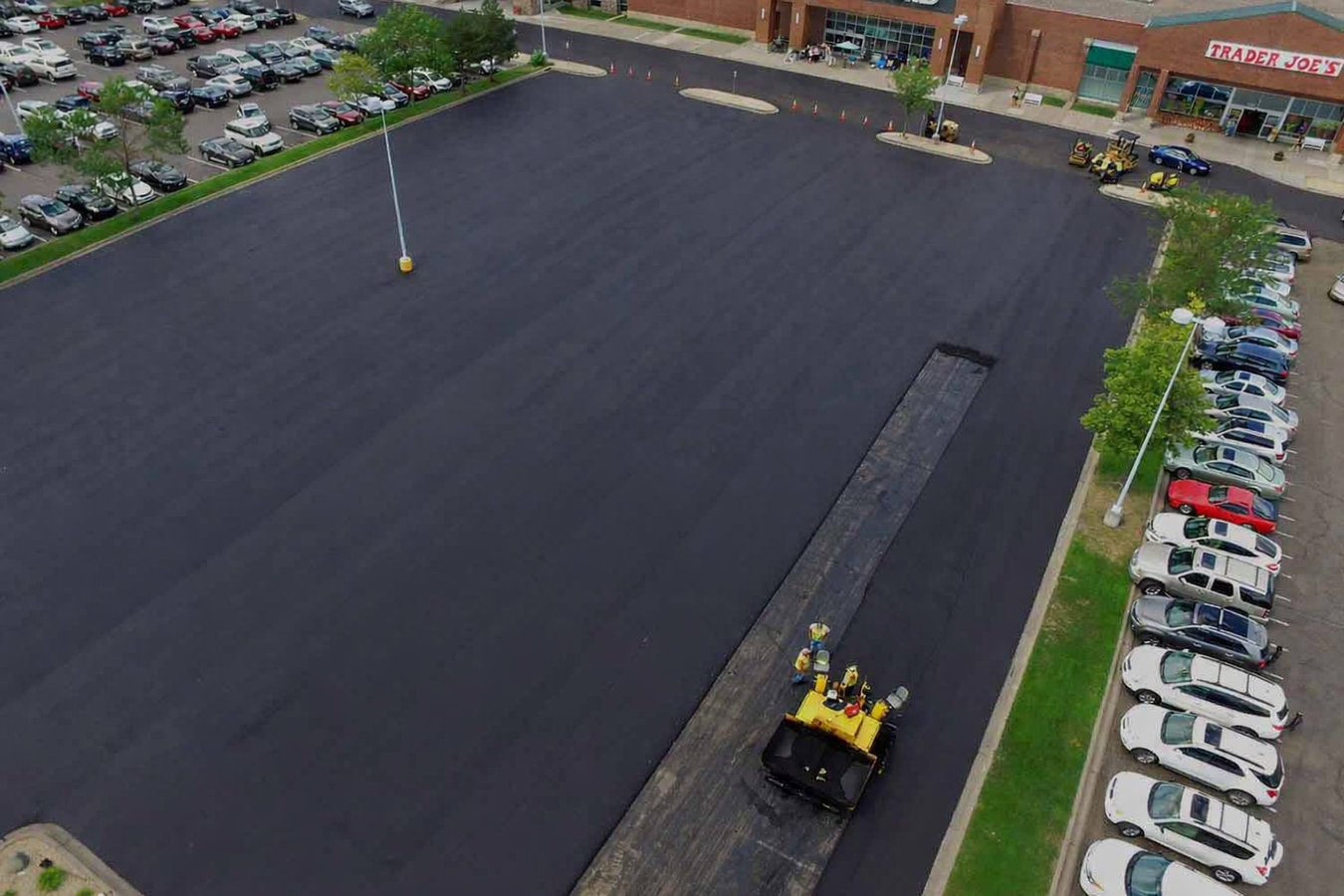
Gravel turns to mud in winter and dust in summer. A properly built concrete lot ends that cycle and gives you a clean, hard surface that holds up in Antioch's heat.
Concrete parking lot building in Antioch, CA involves grading the site, compacting a crushed-gravel base, forming the perimeter, pouring and finishing the slab, and cutting control joints - most residential lots take one to three days of active work, with permit review adding one to three weeks before any ground is broken.
Most homeowners and small business owners contact us after years of dealing with a gravel or asphalt surface that does not hold up to Antioch's heat and clay soil conditions. Concrete is the right long-term answer here because it stays hard in summer and does not shift the way asphalt or compacted gravel does when the ground moves with the wet and dry cycle.
If your parking area connects to a driveway or will require site improvements, our concrete driveway building service can extend the same slab quality from the street to your new surface for a continuous, durable result.
If you can see cracks wider than a quarter inch, or cracks that are spreading and connecting to each other, the surface has likely failed beyond what patching can fix. In Antioch's clay soil, once water gets into those cracks and the ground starts moving, the damage accelerates. A full replacement is usually more cost-effective than repeated repairs at that point.
Standing water on a paved surface means the lot was either graded incorrectly or has settled unevenly. In Antioch, where winter rains can be heavy, pooling water seeps into cracks, softens the base, and speeds up deterioration. If puddles do not drain within a few hours of rain stopping, the surface needs attention.
If you have an unpaved area that gets muddy in winter and dusty in summer, converting it to concrete is a practical upgrade. Antioch's hot, dry summers make unpaved surfaces especially difficult to maintain, and a concrete lot eliminates that problem permanently.
Antioch temperatures regularly push into the high 90s and above, and asphalt surfaces can soften and rut under those conditions, especially where vehicles park and sit for long periods. If you notice tire impressions or soft spots in your asphalt during summer, switching to concrete is a long-term solution because concrete stays hard in the heat.
We build residential and small commercial concrete parking lots from a single parking stall to multi-vehicle private lots. Every project starts with a site assessment to measure the area, evaluate slope, and determine what drainage work is needed. A lot that drains well and has a properly compacted base will last 30 to 50 years; one that was rushed through those steps will show cracks and sinking within a few years.
For projects where a structure will also be built on or adjacent to the lot, we coordinate concrete footings for posts, carports, or building supports at the same time, so the site only has to be disturbed once. Combining work saves time and reduces the disruption to your property.
If your parking area connects to a street or accessway, we tie the lot into a concrete driveway using the same base preparation and slab standards, so you get a consistent, well-drained surface from the street to the parking area.
Suits homeowners replacing gravel or dirt areas needing a permanent, low-maintenance surface.
Fits small businesses, ADUs, and multi-unit properties needing a paved surface that meets city standards.
For existing asphalt or concrete lots that have reached the end of their service life and need full removal and replacement.
Antioch sits in the inland East Bay where summer temperatures regularly climb above 95 degrees and occasionally top 100 degrees. Asphalt surfaces soften and rut under that sustained heat. Concrete does not. But pouring concrete in those conditions is more difficult than it looks. If the slab dries too fast on top while the interior is still setting, the result is a weaker surface with early cracking. We schedule summer pours for early morning and use curing compounds to protect the slab while it gains strength, which is standard practice for concrete work in this climate.
The clay soils common across Antioch and Contra Costa County shift with the seasons, expanding in the wet months and shrinking during the dry summer. That movement puts constant pressure on any slab from below. We account for it by building a thicker gravel base and placing control joints at the right intervals to guide any movement where it will not damage the surface. Homeowners in Pittsburg and Brentwood deal with the same soil conditions, and the same building approach applies across the region.
California also has rules about how rainwater leaves a newly paved surface. Adding a large concrete area means rainwater that used to soak into the ground now runs off. Depending on your project size, the city may require a drain inlet, a swale, or a gravel border to manage that runoff. We ask about drainage requirements early in the design phase so they do not create surprises during permit review. Homeowners in Concord face the same drainage requirements, and we handle those city conversations as part of every job.
We visit the site to measure the area, check slope and drainage, and ask what the surface needs to hold. You receive a written estimate breaking out each cost item. We reply within 1 business day of your first call.
We submit the permit application to the City of Antioch Building Division before any work begins. Permit review can take a few weeks, so we submit early and factor that time into your project schedule.
We remove old pavement or vegetation, grade the area so water drains away from structures, and compact a layer of crushed gravel as the stable base. This step determines how long the finished surface holds up.
We set up the perimeter forms, pour and finish the concrete with a non-slip texture, and keep vehicles off for at least seven days. In Antioch's summer heat, pours are scheduled for early morning to prevent fast drying.
We handle permits, drainage, and every step of the install. Free on-site estimates, written quotes, no obligation.
(925) 503-1067We carry a current California C-8 Concrete Contractor license you can verify on the CSLB website before signing anything. Our insurance covers your property for the full duration of the project.
We serve 12 cities across Contra Costa County and know the clay soils, drainage patterns, and permit offices in each area. That local experience shapes how we spec every lot we build.
We handle the City of Antioch permit application from submission through the final inspection sign-off. Your parking lot is documented and protected whether you sell next year or in twenty.
Antioch's summer heat can ruin a pour if the concrete dries too fast. We schedule early-morning pours and apply curing compounds during hot months, so your slab reaches full strength regardless of the season.
Every parking lot we build in Antioch is permitted, inspected, and built to handle the local soil and climate. You can verify our California Contractors State License Board license before signing anything, and we will walk you through what the City of Antioch Building Division requires for your specific project so there are no surprises at inspection.
Install the buried concrete footings that support parking structures, carports, and site improvements on your lot.
Learn moreConnect your new parking area to the street with a durable concrete driveway sized for your vehicles and site.
Learn moreSummer construction slots fill fast in Antioch - contact us now and we will schedule your on-site visit within 1 business day.