Loading...
Serving Antioch, CA and surrounding areas. (925) 503-1067
New construction, major additions, and foundation replacements in Antioch require someone who knows the local clay soils, the seismic requirements, and the City of Antioch permit process.
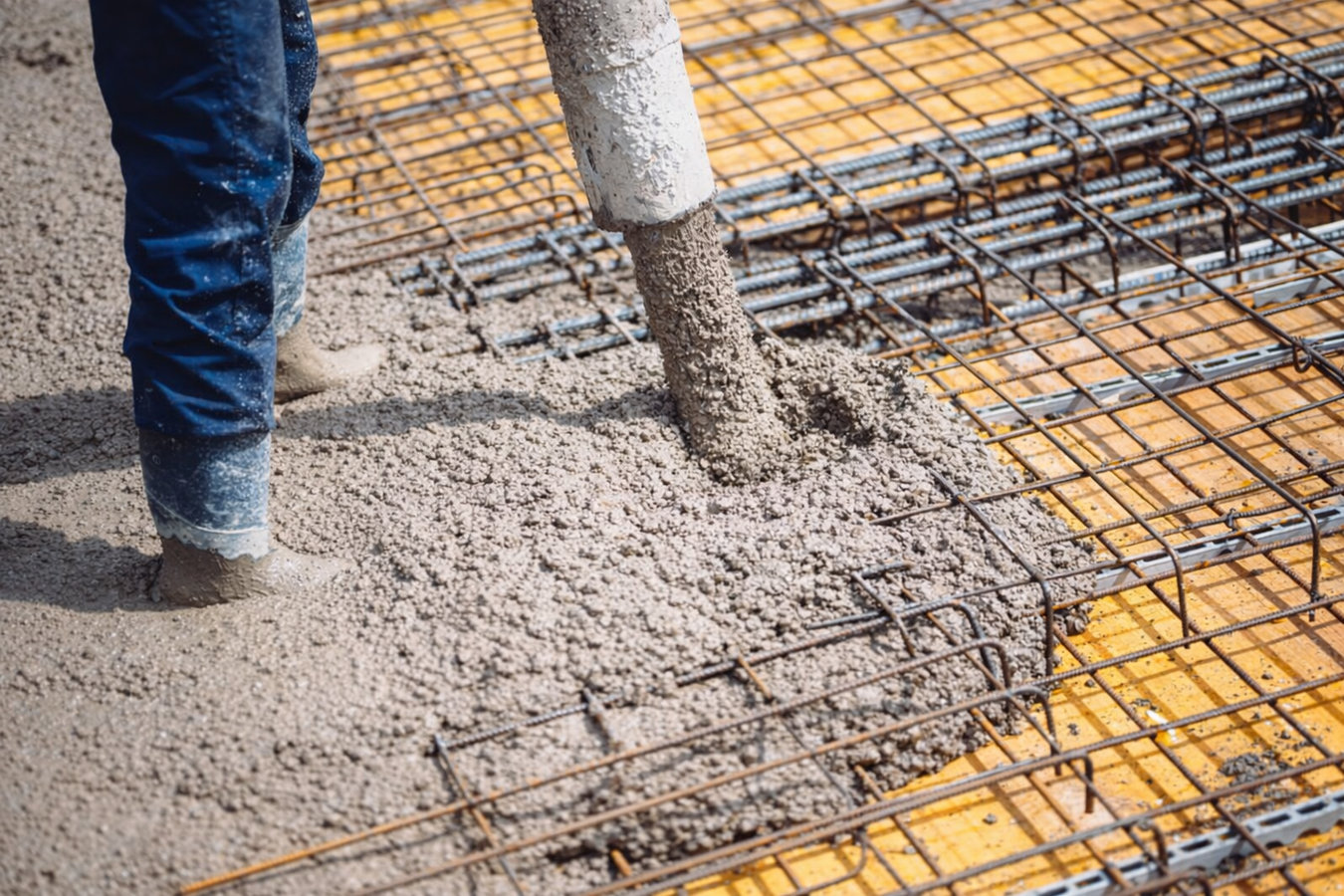
Foundation installation in Antioch, CA means excavating to the required depth, setting forms, placing seismic-grade steel reinforcement, passing a city pre-pour inspection, and pouring the concrete that your entire structure will sit on - most residential foundations take one to two weeks of active construction once permits are approved, with the full process from first call to final inspection running four to eight weeks.
Homeowners in Antioch typically need foundation installation for new home construction, major additions, or replacement of a foundation that has shifted or deteriorated past the point of repair. The clay-heavy soils common across Contra Costa County and the California seismic requirements for this region make foundation design here more involved than in many other states.
If your project is a smaller addition or an ADU rather than a full new structure, our slab foundation building service is often the more cost-effective path - and we will tell you which approach fits your project after seeing the lot.
Cracks that angle outward from the corners of doors or windows - especially cracks that have grown over time - often indicate the ground beneath your home is moving unevenly. In Antioch, the clay-heavy soils in many neighborhoods expand and contract with the seasons, and that movement shows up first as these diagonal cracks. Cracks wider than a quarter-inch are worth having a professional assess.
When a foundation shifts, the frame of your house shifts with it. Doors or windows that suddenly feel stiff, will not latch, or leave visible gaps at the top or bottom are one of the most common early warning signs homeowners notice before any visible cracking appears. If multiple doors or windows started sticking around the same time, that pattern is worth paying attention to.
Walk the perimeter of your rooms and look where the walls meet the ceiling and floor. Gaps or separations that were not there before - especially if they appear on multiple walls - suggest the structure is moving in ways it should not. In older west Antioch homes built on raised foundations, this kind of movement can develop gradually over decades.
If you have purchased a lot in one of Antioch's newer east-side developments, or you are planning a room addition that requires new footings, you need a foundation installed before any framing can begin. Getting this right is the single most important investment you will make in the long-term stability of whatever is built on top of it.
Most homes in Northern California are built on one of two foundation types: a concrete slab poured directly on prepared ground, or a raised perimeter foundation with concrete footings and a crawl space beneath the floor. Which type is right for your project depends on your lot, the soil conditions, your local building requirements, and what you are building. We assess each of these factors before recommending a design, and we will explain the tradeoffs plainly.
For new home construction on Antioch lots - particularly in the east Antioch neighborhoods where new development has been active - a slab-on-grade is the most common and cost-effective choice. For older west Antioch homes where a raised foundation already exists and needs replacement, we assess what is currently there before designing the new work. We also coordinate any required concrete parking lot building or flatwork that is part of the same construction project, keeping your permit applications consolidated.
Every foundation we install includes the steel reinforcement required by California's building code for seismic zones, a moisture barrier where required for the foundation type, and the soil preparation necessary for Antioch's clay conditions. None of these are optional line items - they are part of every job we quote.
The standard choice for new construction in Antioch's east-side developments and for ADUs - concrete poured directly on a prepared base.
For properties where a crawl space is required or preferred, or where an existing raised foundation is being replaced - includes continuous footings and stem walls.
For older Antioch homes where the existing foundation has deteriorated or shifted - assessed, designed, and permitted as a complete replacement, not a patch.
The clay-heavy soils across Contra Costa County are one of the most significant variables in any foundation project in this area. Clay expands when it absorbs water during Antioch's rainy season and contracts when it dries out during the long, hot summer. A foundation designed without accounting for that movement will show the strain within years. The California Geological Survey's expansive soils data identifies Antioch and the surrounding Delta region as a high-movement area - which is why local soil assessment is a non-negotiable part of every foundation job we take on.
California's seismic requirements add another layer. Antioch sits within reach of the Greenville and Concord fault systems, and the state building code requires foundations in this region to include additional steel reinforcement in a pattern designed to resist earthquake movement. The city inspector checks for this before the concrete is poured - so a foundation that was built without the proper rebar cannot pass inspection, regardless of how it looks on the surface.
We have completed foundation work across the Antioch area, including in Pittsburg, Concord, and throughout west and east Antioch where housing stock ranges from 1950s raised foundations to brand-new slab construction. The soil conditions, permit requirements, and inspection checkpoints are consistent across these areas, and we navigate them on every project we take on.
We ask a few questions, then schedule a visit to your lot before writing any numbers. Soil conditions, site access, and drainage all affect what the job actually costs in Antioch. We respond within 1 business day.
Once you approve the written estimate, we submit the permit application to the City of Antioch Building Division. We handle all permit communications and give you a start date once approval comes through.
The crew excavates to the required depth, sets forms to the approved dimensions, and places steel reinforcing bars inside. A city inspector visits to verify everything before any concrete is poured - this is a required checkpoint.
Once the pre-pour inspection passes, the concrete trucks arrive. After the pour and curing period, a city inspector does a final review. We then clean up the site and walk you through the finished work.
We visit your lot before quoting, manage the City of Antioch permit process, and coordinate all required inspections. No surprises on the bill - the written estimate is the final price.
(925) 503-1067We hold a current California C-8 Concrete Contractor license. You can look up our license number on the CSLB website before you sign anything - we expect you to.
We have worked on foundation and concrete projects across Antioch and the surrounding East Bay since 2022. We know the soil, the permit office, and the inspection process - and those details affect how every job is quoted and built.
We handle the City of Antioch permit application and coordinate all required inspections. You never need to contact the Building Division yourself. We keep you updated at every step so you know exactly where your project stands.
Our quotes are based on a site visit, not a square-foot formula. The soil prep, permit fees, and reinforcement your lot requires are all accounted for before you agree to anything. The price you sign is the price you pay.
Foundation installation is the highest-stakes concrete work a homeowner will ever commission. Everything built above it depends on it being right. We work in Antioch and the surrounding East Bay because we know what the soil, the permit office, and the inspection process require here - and we document everything so your investment is protected long after we leave the job site. You can verify our California C-8 license on the CSLB website before making any calls.
Commercial-grade concrete paving for parking areas, driveways, and commercial lots.
Learn moreSlab-on-grade pours for ADUs, garage conversions, and additions on Antioch residential lots.
Learn morePermit timelines in Antioch can run several weeks - contact us now so your project starts on schedule, not behind it.