Loading...
Serving Antioch, CA and surrounding areas. (925) 503-1067
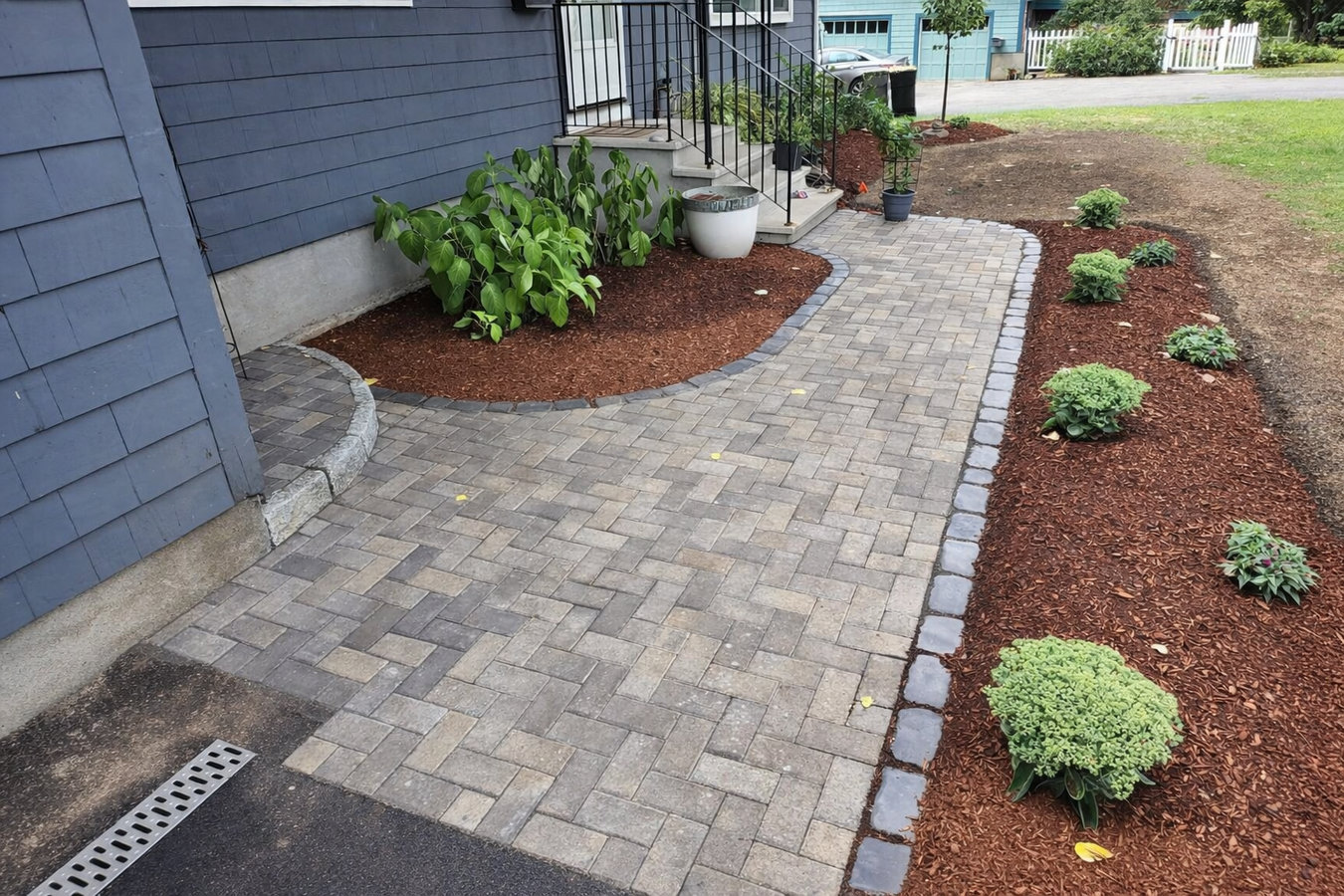
A muddy, unusable back yard or a crumbling old slab does not have to be the default. We build concrete patios that drain properly, hold through Antioch winters, and give you actual outdoor space.
Concrete patio construction in Antioch, CA means excavating the area, compacting a gravel base, setting forms, and pouring a reinforced slab with a surface finish of your choice - most residential patios take one to three days of active work, with the surface usable within a week.
The two most common problems we fix are cracked or sinking existing patios - almost always a base preparation failure - and yards with no defined hardscape at all. Both situations have the same solution: a properly built slab that handles seasonal soil movement and drains water away from the house.
If you are also considering a stamped or decorative finish, our stamped concrete services can be combined with a patio pour in one project, which is always more cost-effective than finishing the slab later.
If your yard becomes soft and unusable from November through March, a concrete patio gives you a firm, dry surface through Antioch's rainy season. Without hardscaping, yards in clay-soil areas can stay muddy for weeks at a time, making the space genuinely unusable.
Cracks wider than a pencil, surface flaking, or sections that have visibly sunk or tilted signal a slab near the end of its useful life. In Antioch's clay soils, sinking is especially common because the ground shifts seasonally. Patching a settling slab is usually a short-term fix at best.
Standing water collecting near your back door after it rains means the ground is not draining properly. A properly graded concrete patio - sloped slightly away from the house - redirects that water and reduces moisture stress on your foundation over time.
If your back yard has no defined area for a table, chairs, or grill, you are probably not using that space as much as you could. A concrete patio creates a clear, usable zone that makes the yard functional rather than just decorative.
The standard broom-finish patio is the most requested: practical, durable, and priced for most residential budgets. The broom texture also provides a natural slip resistance that works well for families with kids or pets.
For homeowners who want more from the surface, we offer stamped patterns that mimic stone, brick, or wood - applied during the original pour for the best long-term adhesion. Integral color and exposed aggregate are also available. These finishes cost more, but doing them at pour time is significantly more affordable than resurfacing later. If you are also planning outdoor water features, our concrete pool decks service uses the same pour-and-finish process and is often scheduled in the same project.
Every slab we pour includes a deliberate slope away from the house - typically about a quarter inch of drop per foot - so winter rain flows toward the yard rather than pooling near your back door or foundation.
Clean, slip-resistant, and cost-effective. The right choice for most Antioch back yards.
Patterns that mimic stone, brick, or wood applied at pour time - better adhesion than resurfacing.
Curved edges, L-shapes, or multi-area layouts to fit specific yard configurations.
Antioch's clay-heavy soils are the most important local factor in patio longevity. Clay expands significantly when wet and shrinks when dry - the seasonal cycle that repeats every year across Contra Costa County. A contractor who skips proper base preparation is building on a surface that will move, and the slab will crack. We excavate, compact gravel, and verify the base before any concrete is poured.
Hot summers also affect the pour itself. Antioch regularly sees temperatures above 95 degrees, and extreme heat causes fresh concrete to skin over too fast. We schedule pours for early morning and use curing compounds to slow moisture loss during the first critical days. Spring and fall produce the best results, but we build year-round with appropriate precautions.
Homeowners in Pittsburg and Concord face the same soil and climate conditions. The California Contractors State License Board recommends verifying any contractor's license before work begins, and you can do that for our C-8 license directly on their website.
We come to your yard, measure the area, check the slope and drainage, and talk through your surface options. You will have a written estimate within one business day of that visit.
We file the City of Antioch permit application on your behalf and can walk you through what your HOA typically requires. Permit processing takes one to two weeks; HOA review typically takes two to four.
We excavate the area, remove existing grass or concrete, and compact a gravel base before setting any forms. This step is what separates a slab that holds from one that shifts and cracks.
The concrete arrives by ready-mix truck. We spread, level, finish, and cut control joints before it sets. After the curing period, we coordinate the city inspection and walk the finished patio with you.
We respond within 1 business day. No obligation - just a conversation about what you have in mind. Once you submit, someone from our office will call to schedule a free on-site visit at a time that works for you.
(925) 503-1067We carry a current California C-8 Concrete Contractor license. You can look us up on the CSLB website before you sign a contract - that is how it should work.
We know the HOA rules in Lone Tree and Deer Valley, the clay soil behavior across Contra Costa County, and the city permit office. That context saves time and prevents problems.
Every patio we pour includes a compacted gravel base beneath the slab. This is not standard practice across all contractors in this area, but it is what Antioch's soil conditions require.
Our quotes cover site prep, base material, the pour, finishing, permit fees, and cleanup. The number you approve is the number on the final invoice.
Every one of those credentials is verifiable before you sign anything. The license is on the CSLB website. The permit record will be on file with the City of Antioch after the project closes. That paper trail protects you now and when you eventually sell.
Upgrade your patio with a stamped pattern that mimics stone or brick - applied during the original pour for the best long-term result.
Learn moreExtend your outdoor living space around a pool with a slip-resistant, properly drained concrete deck surface.
Learn moreSpring and fall book up quickly in Antioch - reach out now and we will get back to you within 1 business day to set up your on-site visit.