Loading...
Serving Antioch, CA and surrounding areas. (925) 503-1067
Antioch Concrete serves Livermore, CA homeowners with garage floor concrete, driveway replacement, patio construction, and concrete flatwork matched to the clay soils and wide temperature range of the Livermore Valley. Licensed contractor, free on-site estimates, responses within one business day.
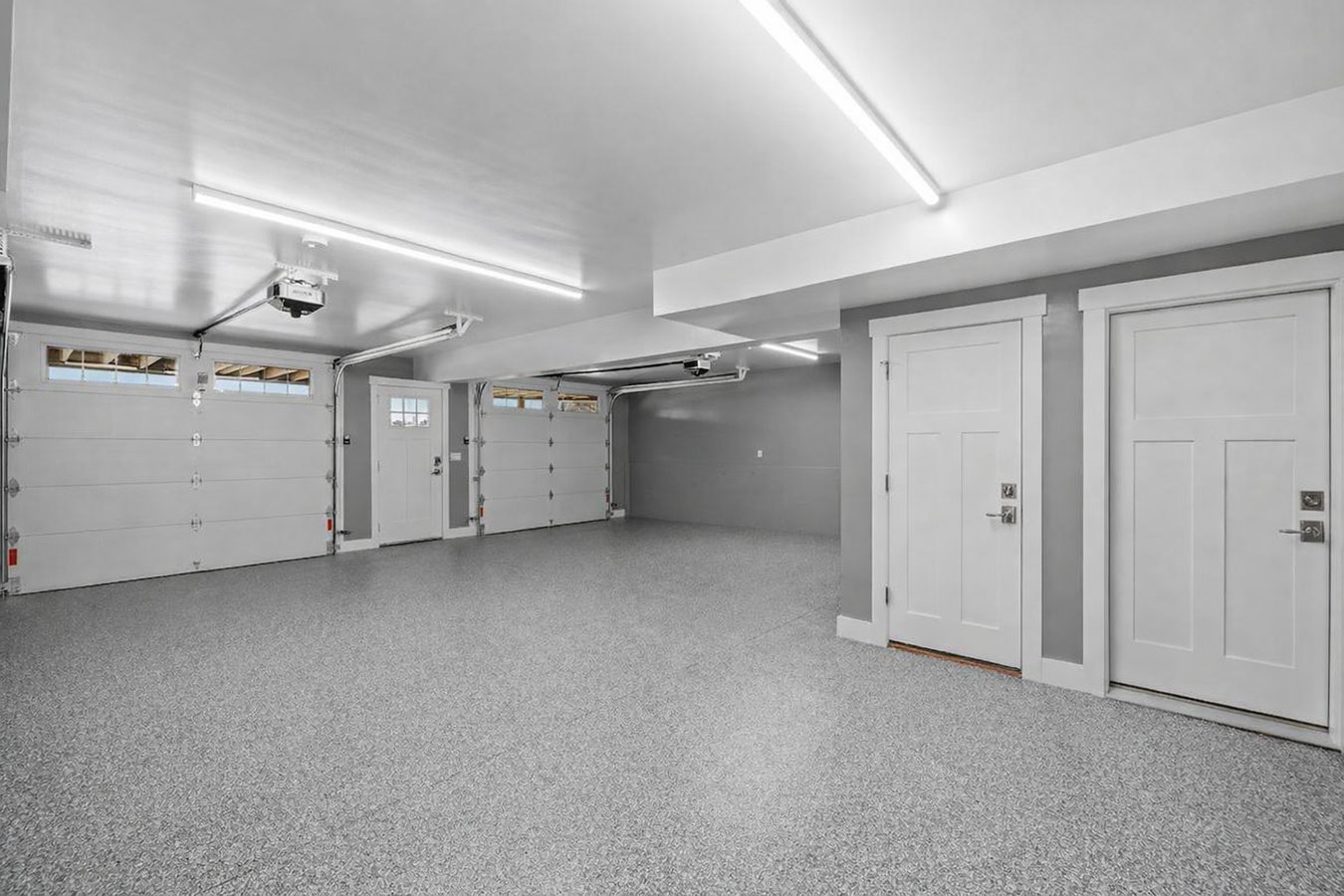
Livermore's 1950s through 1980s ranch homes frequently have attached garages with original concrete floors that are now 40 to 70 years old. At that age, the surface is typically pitted, stained, and prone to dusting - and in many cases the slab has minor settling from clay soil movement beneath it. A new garage floor pour with proper thickness and a smooth, sealed finish gives a clean surface that holds up to vehicle traffic and chemical exposure for decades. See our full garage floor concrete service page for details on the process and finish options available.
Livermore driveways take a harder beating than most Bay Area homeowners expect, because the combination of 100-degree summer heat and clay soil movement works on the slab from both above and below. Original driveways on older ranch homes near downtown Livermore are commonly 50 or more years old and show deep cracking and surface scaling. Driveways on the newer subdivisions in north and east Livermore are younger but face the same seasonal stress cycle every year.
Livermore's long warm season means outdoor patios get real use from spring through October, and the right surface material matters. Concrete holds up to the heat, resists weed intrusion at the joints, and stays level through seasonal clay soil movement better than loose pavers on an uncompacted base. A properly sealed concrete patio in Livermore can look good for 20 or more years with minimal upkeep.
Sidewalk panels near older Livermore homes, particularly those close to downtown, are sometimes 50 years old or more and have lifted, cracked, or settled noticeably from tree root growth and clay movement. Replacing damaged panels in older neighborhoods requires matching the original broom finish so the repair does not stand out on a block of otherwise intact sidewalk sections.
Livermore homeowners adding ADUs, detached garages, or workshop outbuildings on their larger lots need slab foundations engineered for the expansive clay beneath the Livermore Valley floor. We grade, compact, and form the slab with the reinforcement and base depth needed to resist seasonal soil movement so the new structure starts correctly and stays that way.
Some of the older homes and outbuildings near downtown Livermore have bare dirt or deteriorating wood subfloors in areas where a concrete floor would be far more practical. Workshop floors, laundry rooms, and covered outdoor storage areas benefit from a poured concrete slab that resists moisture, pests, and decades of foot traffic without ongoing maintenance.
Livermore sits further inland than most Bay Area cities, and the climate reflects it. Summer temperatures regularly exceed 95 to 100 degrees Fahrenheit, and the city does get occasional frost in December and January with overnight lows dipping into the upper 20s. That temperature range - more than 70 degrees of swing across the year - causes concrete to expand and contract in ways that coastal Bay Area markets rarely see. Contractors who work primarily in San Francisco or Oakland may underestimate how much thermal movement affects Livermore flatwork.
Most of the Livermore Valley sits on expansive clay soil that swells with winter rain and shrinks during the dry summer heat. The seasonal cycle is consistent and severe enough that even newer driveways and patios show cracking within 10 to 15 years if the base was not properly compacted and the slab was not reinforced correctly at the time of the pour. Older homes near downtown Livermore - some of which date to the 1910s and 1920s - have concrete that is particularly vulnerable because the slabs were poured before modern base preparation practices were standard.
The housing stock in Livermore is varied in ways that affect the scope and cost of concrete work. Postwar ranch homes on modest lots close to downtown have different needs than the larger parcels near the wine country on the south side of the city, and both differ from the newer tile-roof subdivisions built in north and east Livermore in the late 1990s and 2000s. We assess each property on its own conditions rather than applying a one-size quote to every job in the city.
We pull permits through the City of Livermore Community Development Department when the scope requires one and are familiar with the plan-check process for structural work in the city. Most residential flatwork - garage floors, driveways, patios, and sidewalk panel replacements on private property - does not require a permit, and we confirm that during the assessment visit before providing a quote.
Livermore runs along Interstate 580, with Las Positas Road and Vasco Road serving as the main north-south routes through the city. We work throughout the city, from the older streets close to downtown Livermore to the newer subdivisions near Portola Avenue in the north and the larger lots bordering the Livermore Valley wine country to the south and east. The two neighborhoods have different housing ages and different concrete challenges, and we scope accordingly.
We serve neighboring Pleasanton as well, which shares the same clay soil conditions and similar housing ages across most of the valley. Clients with properties in both cities regularly work with us across both service areas. We also cover San Ramon to the northwest for homeowners in that part of the Tri-Valley.
We respond to every Livermore inquiry within one business day. Reach us through whichever channel works for you - the same crew receives all of them.
We visit your Livermore property to assess the site, evaluate soil and drainage conditions, measure the work area, and confirm any permit requirements. You receive a written quote before committing to anything, with no pressure to decide on the spot.
On the scheduled date we handle all demolition of existing material, base preparation, forming, reinforcement, and the concrete pour. We time outdoor pours to avoid the hottest part of summer afternoons in Livermore and apply curing compound to control surface moisture loss.
After the pour we strip forms and clean up the site. Most Livermore residential projects allow foot traffic after seven days and vehicle traffic after 28 days. We do a final walkthrough with you before considering the job complete.
We serve Livermore homeowners from the older streets near downtown to the newer subdivisions in north and east Livermore. No commitment required - just an honest assessment and a written quote.
(925) 503-1067Livermore is a city of about 92,000 on the eastern edge of the Tri-Valley, bordered by Pleasanton to the west and the open hills of the Diablo Range to the east. The bulk of the housing stock was built during the postwar suburban boom from the 1950s through the 1980s, and ranch-style single-family homes on modest lots are the most common building type. Older neighborhoods close to historic downtown Livermore include some homes dating to the early 1900s, while larger planned subdivisions from the late 1990s and 2000s fill the northern and eastern parts of the city near Portola Avenue and the Springtown district.
Livermore is best known outside the valley for two things: its national laboratories and its wine country. Both Lawrence Livermore National Laboratory and Sandia National Laboratories are located on the city's eastern edge and together employ thousands of scientists and engineers who tend to be long-term homeowners. The Livermore Valley wine region surrounds the southern and eastern outskirts of the city, where some properties sit on larger rural lots with detached garages, workshops, and long driveways.
Livermore is part of the Tri-Valley alongside Pleasanton to the west and San Ramon to the northwest. All three cities share similar clay soil profiles and a climate that is considerably hotter in summer than the western Bay Area, which affects concrete work across all of them in the same ways.
Durable concrete driveways designed to handle daily traffic and last for decades.
Learn moreCustom concrete patios that extend your living space and add lasting curb appeal.
Learn moreDecorative stamped concrete that replicates stone, brick, or tile at a lower cost.
Learn moreSmooth, compliant concrete sidewalks built for safety and long-term durability.
Learn moreStrong, level garage floor concrete that resists stains, cracks, and heavy loads.
Learn morePolished and colored concrete finishes that upgrade any interior or exterior surface.
Learn moreStructurally sound retaining walls that control erosion and define your landscape.
Learn morePrecision concrete floor installation for residential and light commercial spaces.
Learn moreSlip-resistant pool deck concrete that holds up to sun, water, and foot traffic.
Learn moreSafe, well-formed concrete steps built to code for entries, porches, and walkways.
Learn moreSolid slab foundations poured and finished to support structures of any size.
Learn moreFull foundation installation services from excavation to finished concrete pour.
Learn moreCommercial-grade concrete parking lots engineered for high traffic and longevity.
Learn moreProperly sized and reinforced footings that provide a stable base for any structure.
Learn moreFoundation leveling and raising to correct settling and restore structural integrity.
Learn morePrecise concrete cutting for repairs, expansions, and utility access work.
Learn moreLivermore clay soils and summer heat work on concrete every season - waiting usually means a bigger repair later. Call us or submit the form and we will respond within one business day with a free, no-pressure estimate.